

 Business License

What Is Self-Piercing Riveting (SPR)? How Does SPR Work?
Self-Piercing Riveting, commonly known as SPR, is a proven cold mechanical joining technology widely used in automotive, new energy storage, rail transit and sheet metal manufacturing. Unlike welding or traditional riveting, SPR creates a strong permanent joint without pre-drilled holes and without heat input.
How does the SPR process work?
The whole SPR cycle is completed in one single stroke in less than 1 second:
Positioning: Stack 2 or multiple layers of sheets and align SPR rivet, punch and die.
Piercing: The semi-tubular SPR rivet is driven down, cutting through the top sheet(s).
Flare & Interlock: Under pressure from the bottom die, the hollow rivet tail expands inside the bottom material. The rivet does NOT fully penetrate the lower sheet.
Form joint: A stable mechanical interlock is formed between rivet and workpiece. The joint stays sealed, flat and leak-free.
No sparks, no fumes, no thermal deformation. The original coating, paint or galvanized layer on sheets remains intact.
Core basics you need to know
SPR rivets are semi-tubular fasteners made from high-strength alloy steel, available with multiple anti-corrosion coatings. The bottom material must have enough ductility to allow rivet flaring. SPR can join aluminum-aluminum, aluminum-steel, metal-composite stacks.
Where is SPR used?
The biggest market is electric vehicle body-in-white, battery pack housings, vehicle doors, hoods and tailgates. It is also adopted in train panels, HVAC cabinets, energy storage enclosures and general sheet metal assemblies.
SPR is not just a rivet. It is a complete joining system: rivet + matched die + hydraulic or servo SPR riveting machine.
If your project needs to join mixed lightweight materials, SPR is worth evaluating over traditional fastening solutions.
Recently Posted
-
Self-Piercing Riveting (SPR): The Ideal Joining Technology for Highway Traffic Sign Production
October 13, 2026Highway and municipal traffic signs operate in extremely harsh outdoor environments. Wind vibration, rain, salt spray, UV radiatio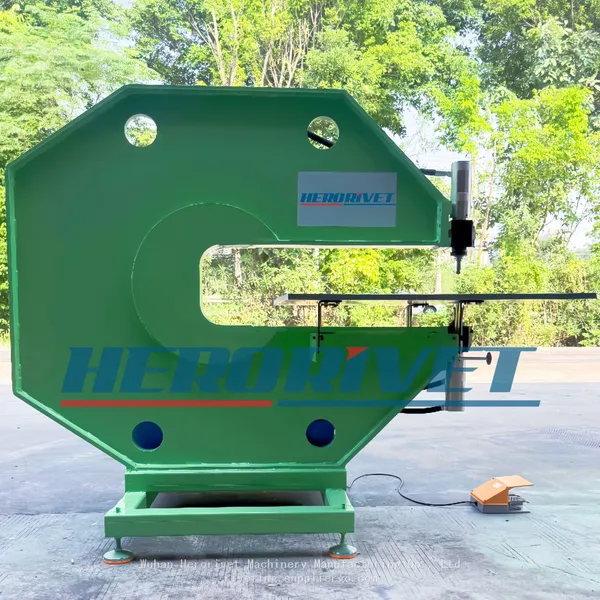 Read More
-
SPR Riveting Quality Control: Common Defects & Troubleshooting Tips
October 13, 2026SPR Riveting Quality Control: Common Defects & Troubleshooting TipsEven with high-quality SPR rivets, poor setup can lead to f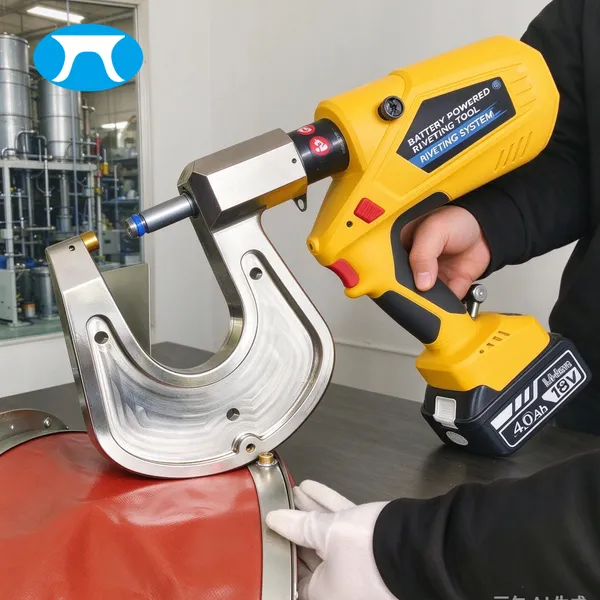 Read More
-
SPR vs Spot Welding: Which Joining Technology Is Better for EV Aluminum Body?
October 13, 2026SPR vs Spot Welding: Which Joining Technology Is Better for EV Aluminum Body?For decades, resistance spot welding was the standard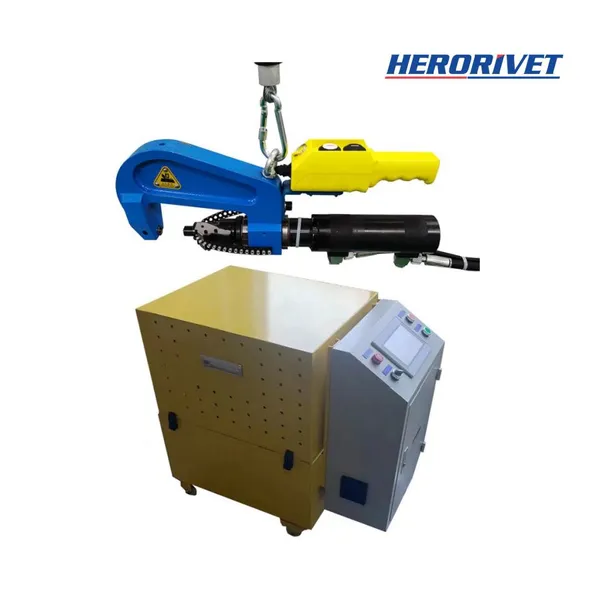 Read More

Contact Us
Recommended Products
-
 Rivetless Rivet Connection Riveting Equipment for Metal Sheet ConnectingUS$ 4000 - 5000MOQ: 1 Set
-
Self Clinching Machine Pneumatic- Hydraulic Clinching Machine Without RivetsUS$ 7200 - 10000MOQ: 1 Set
-
Self Piercing Riveting Machine for Aluminium Ladder Making Aluminium Ladder Riveting MachineUS$ 7200 - 10000MOQ: 1 Set
-
Metal Galvanized Flat Head RivetsUS$ 0.02 - 0.05MOQ: 100000 Pieces
-
Self-pierce Riveting for Perfect JointsUS$ 0.05 - 0.1MOQ: 100000 Pieces


-
Self Pierce RivetingUS$ 7000 - 10000MOQ: 100000 Sets
-
Pneumatic-hydraulic No Rivet Connection Equipment,No Rivets Connection Machine for Aerospace Automobile IndustryUS$ 4000 - 7000MOQ: 1 Set
-
No Rivet Connection Equipment ,Rivetless Riveting Press MachineUS$ 4000 - 6000MOQ: 1 Set
-
Pneumatic -hydraulic Pressurization Cylinder Riveting Machine for Sheet Metal FixingUS$ 3200 - 5000MOQ: 1 Set
-
Pneumatic-hydraulic Riveting Machine,Portable Manual Riveting Machine,No Rivet Connection EquipmentUS$ 4000 - 5000MOQ: 1 Set


-
Aluminium Ladder Riveting Rivets 5.3*8mm in TapeUS$ 100 - 150MOQ: 20 Rolls
-
Aluminium Ladder Riveting Machine House Ladder Making EquipmentUS$ 7500 - 10000MOQ: 1 Set
-
Aluminium Ladder Riveting Machine Ladder Making MachineUS$ 10000 - 30000MOQ: 1 Set
-
Riveting Machine for Aluminium Ladder MakingUS$ 10000 - 30000MOQ: 1 Set
-
High Quality Aluminium Ladder Riveting Machine Ladder Making Machine Supplier Riveting Machine ManufacturerUS$ 10000 - 30000MOQ: 1 Set


-
Busbar Rivets Semi-tubular Rivets Stainless Steel Rivets 5.3mmUS$ 0.03 - 0.06MOQ: 100000 Pieces
-
Busbar Riveter Busbar Riveting Machine Rivet Machine Hydraulic RiveterUS$ 7200 - 10000MOQ: 1 Set
-
Self-Piercing Riveting Supplier Self Pierce Riveting Technology in BuswayUS$ 7800 - 10000MOQ: 1 Set
-
5.3*8MM High Joint Strength Tape Self Pierce Rivets (SPR)US$ 0.05 - 0.08MOQ: 100000 Pieces
-
5.3mm Self Pierced Rivets (SPRs) for the Automotive Industry With Aluminum StructuresUS$ 0.08 - 0.2MOQ: 20000 Pieces


