 Business License
SPR Riveting Quality Control: Common Defects & Troubleshooting Tips
SPR Riveting Quality Control: Common Defects & Troubleshooting Tips
Even with high-quality SPR rivets, poor setup can lead to failed joints. For mass production lines, engineers need clear inspection standards and fast troubleshooting methods.
Typical SPR defects and causes
Insufficient rivet flaringRoot cause: insufficient pressing force, rivet too short, wrong die profile. Result: low pull-out strength, joint separation under load.
Bottom sheet crackingRoot cause: rivet too long, excessive pressure, brittle bottom material, unsuitable die. Result: leakage risk and reduced fatigue life.
Rivet tiltingRoot cause: misaligned rivet gun, uneven sheet stacking. Result: asymmetric interlock, unstable joint strength.
Rivet head sunk too deep or proudRoot cause: stroke setting error, worn punch or die. Result: cosmetic issue and uneven stress distribution.
How to inspect SPR joints
Visual check: rivet head position, no cracks on bottom side
Cross-section test (lab validation): check rivet tail flare shape
Mechanical test: shear test, peel test, fatigue test
Salt spray test if corrosion resistance is required
Maintenance best practice
Regularly inspect punch and die for wear
Calibrate riveting force and stroke periodically
Confirm rivet specification matches your material stack before batch production
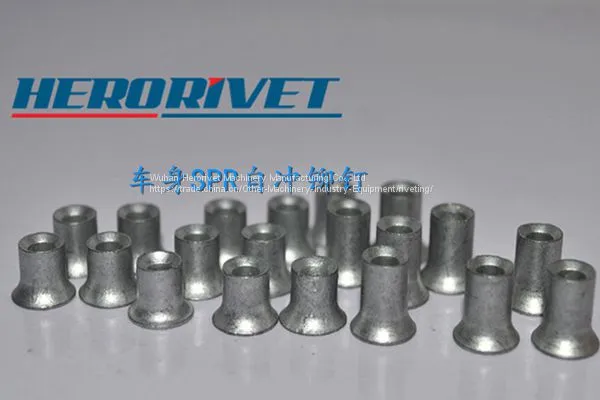
Store SPR rivets in dry packaging to avoid surface rust before use
Final takeaway
SPR joint quality depends on 3 factors: correct rivet specification, matched die set, and stable machine parameter setting. If you encounter unstable SPR joint quality during prototyping, review your rivet size, die selection and machine pressure first.
Recently Posted
-
Self-Piercing Riveting (SPR): The Ideal Joining Technology for Highway Traffic Sign Production
October 13, 2026Highway and municipal traffic signs operate in extremely harsh outdoor environments. Wind vibration, rain, salt spray, UV radiatio Read More
-
SPR vs Spot Welding: Which Joining Technology Is Better for EV Aluminum Body?
October 13, 2026SPR vs Spot Welding: Which Joining Technology Is Better for EV Aluminum Body?For decades, resistance spot welding was the standard Read More
-
What Is Self-Piercing Riveting (SPR)? How Does SPR Work?
October 13, 2026Self-Piercing Riveting, commonly known as SPR, is a proven cold mechanical joining technology widely used in automotive, new energ Read More

Contact Us
Recommended Products
-
 Rivetless Rivet Connection Riveting Equipment for Metal Sheet ConnectingUS$ 4000 - 5000MOQ: 1 Set
-
Self Clinching Machine Pneumatic- Hydraulic Clinching Machine Without RivetsUS$ 7200 - 10000MOQ: 1 Set
-
Self Piercing Riveting Machine for Aluminium Ladder Making Aluminium Ladder Riveting MachineUS$ 7200 - 10000MOQ: 1 Set
-
Metal Galvanized Flat Head RivetsUS$ 0.02 - 0.05MOQ: 100000 Pieces
-
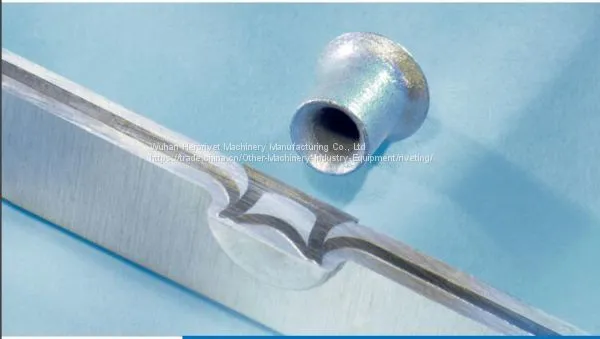
Self-pierce Riveting for Perfect JointsUS$ 0.05 - 0.1MOQ: 100000 Pieces
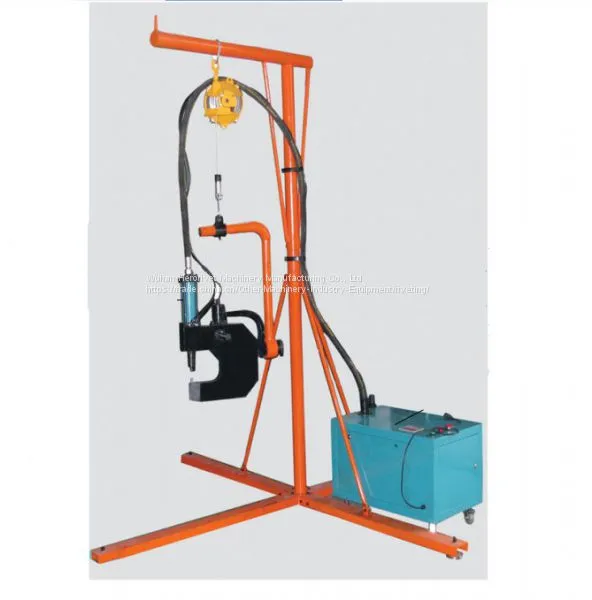
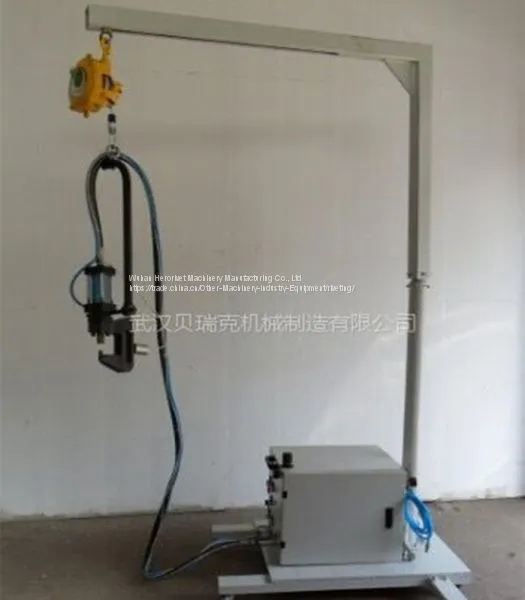
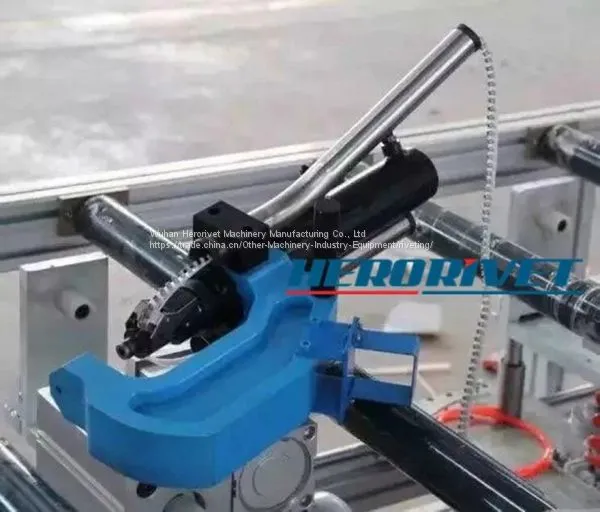
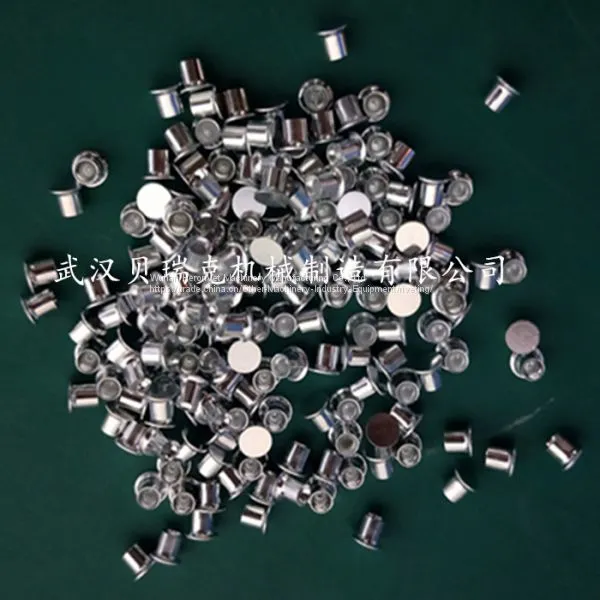
-
Self Pierce RivetingUS$ 7000 - 10000MOQ: 100000 Sets
-
Pneumatic-hydraulic No Rivet Connection Equipment,No Rivets Connection Machine for Aerospace Automobile IndustryUS$ 4000 - 7000MOQ: 1 Set
-
No Rivet Connection Equipment ,Rivetless Riveting Press MachineUS$ 4000 - 6000MOQ: 1 Set
-
Pneumatic -hydraulic Pressurization Cylinder Riveting Machine for Sheet Metal FixingUS$ 3200 - 5000MOQ: 1 Set
-
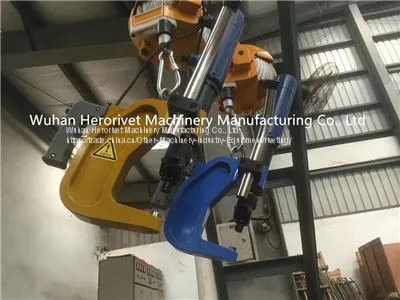
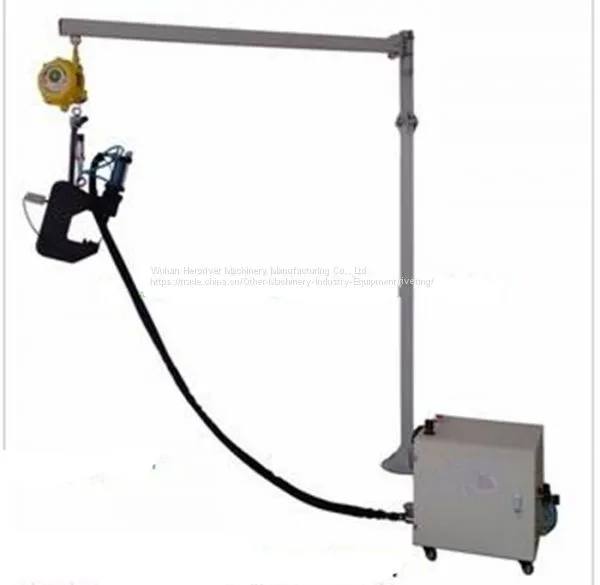
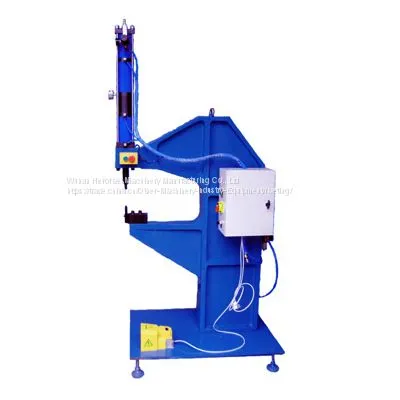
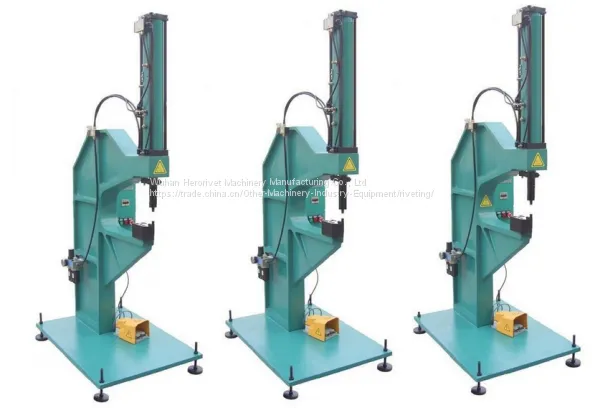
Pneumatic-hydraulic Riveting Machine,Portable Manual Riveting Machine,No Rivet Connection EquipmentUS$ 4000 - 5000MOQ: 1 Set
-
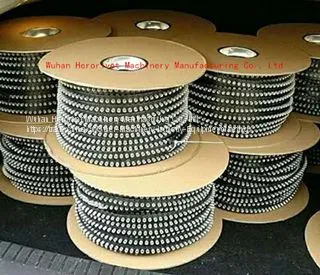
Aluminium Ladder Riveting Rivets 5.3*8mm in TapeUS$ 100 - 150MOQ: 20 Rolls
-
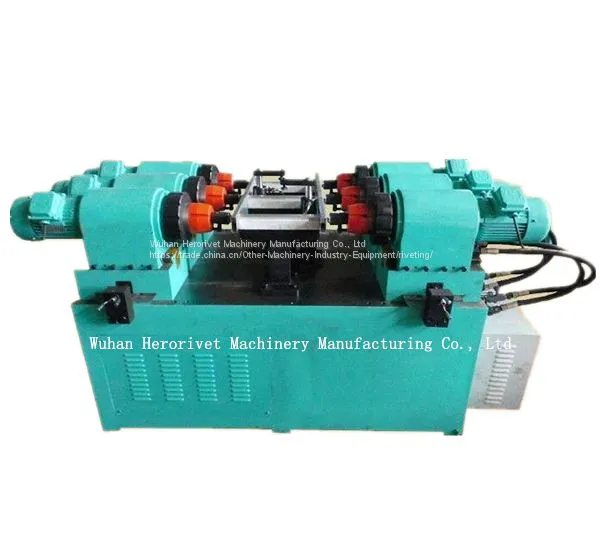
Aluminium Ladder Riveting Machine House Ladder Making EquipmentUS$ 7500 - 10000MOQ: 1 Set
-
Aluminium Ladder Riveting Machine Ladder Making MachineUS$ 10000 - 30000MOQ: 1 Set
-
Riveting Machine for Aluminium Ladder MakingUS$ 10000 - 30000MOQ: 1 Set
-
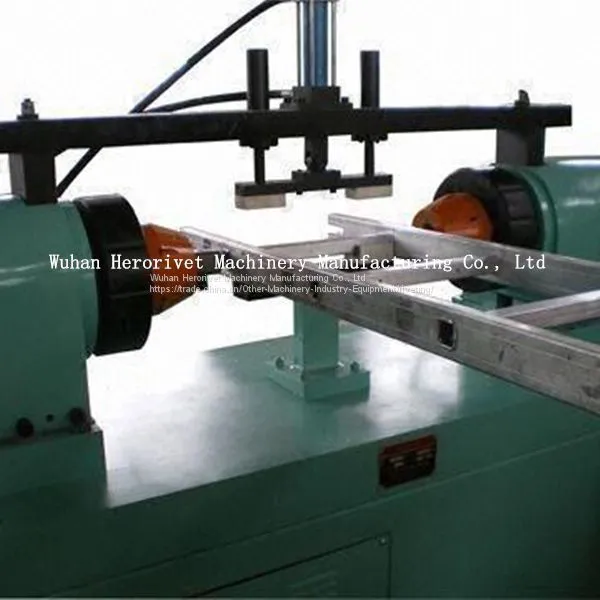
High Quality Aluminium Ladder Riveting Machine Ladder Making Machine Supplier Riveting Machine ManufacturerUS$ 10000 - 30000MOQ: 1 Set
-
Busbar Rivets Semi-tubular Rivets Stainless Steel Rivets 5.3mmUS$ 0.03 - 0.06MOQ: 100000 Pieces
-
Busbar Riveter Busbar Riveting Machine Rivet Machine Hydraulic RiveterUS$ 7200 - 10000MOQ: 1 Set
-
Self-Piercing Riveting Supplier Self Pierce Riveting Technology in BuswayUS$ 7800 - 10000MOQ: 1 Set
-
5.3*8MM High Joint Strength Tape Self Pierce Rivets (SPR)US$ 0.05 - 0.08MOQ: 100000 Pieces
-
5.3mm Self Pierced Rivets (SPRs) for the Automotive Industry With Aluminum StructuresUS$ 0.08 - 0.2MOQ: 20000 Pieces